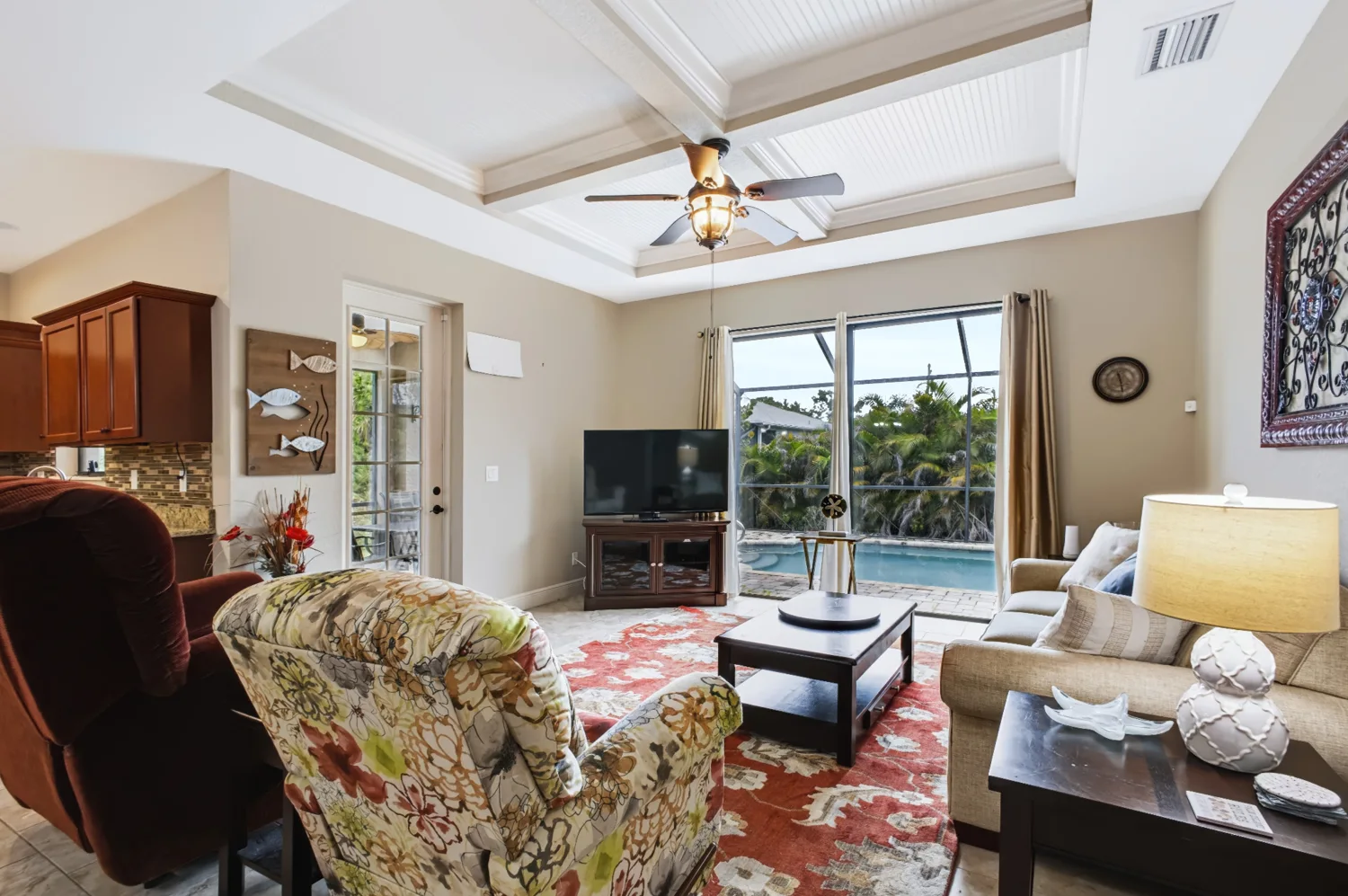
Preparing an occupied home is an editing exercise. The goal is to make each room easy to read while keeping the process realistic for the people who still live there.
Trying to hide every possession creates unnecessary work. Leaving every daily-use item visible creates visual noise and can expose private information. A room-by-room plan finds the useful middle.
Decide what the photos need to explain
Each room should have an obvious purpose, visible walking space, and a few details that establish scale. Keep furniture that supports those goals. Remove or relocate objects that cover surfaces, narrow paths, or pull attention away from the room itself.
Create temporary storage zones outside the frame
Use labeled bins for bathroom items, kitchen items, children’s items, pet supplies, and paperwork. Place them in a vehicle, a closet that will not be photographed, or one designated room until its turn. Moving random piles from room to room tends to slow the appointment and leads to forgotten objects.
Do not rely on hiding everything under beds or behind shower curtains. Those locations may be visible from a useful camera angle.
Protect privacy before anyone arrives
- Remove family photographs, names, school schedules, mail, prescriptions, and account information.
- Secure valuables, keys, firearms, legal papers, and small electronics.
- Hide alarm panels or documents only when doing so does not create a safety issue.
- Check mirrors and reflective appliances for information left outside the direct camera view.
Plan for pets and people
Arrange for pets to leave the property when possible. If that is not practical, use a secure room or outdoor area that can be photographed at a different time. Remove bowls, beds, litter boxes, crates, toys, and yard waste before the session begins.
People moving one room ahead of the camera often appear in reflections and make it difficult to keep lights, doors, and blinds consistent. A nearby café, walk, or errand can be simpler than staying inside.
Keep everyday rooms believable
A furnished home does not have to look vacant. A few books, a plant, simple art, and carefully arranged seating can give a room scale and warmth. The problem is usually quantity rather than the presence of belongings.
Pay special attention to kitchens and bathrooms
These rooms accumulate small items that become prominent in photographs. Clear toiletries, cleaning products, magnets, dish racks, paper towels, medications, and wastebaskets. Leave only a restrained object or two when a long empty counter would feel unfinished.
Coordinate the final hour
Finish cleaning before the preparation pass. Then make beds, align chairs, straighten window coverings, turn off screens, open interior doors as planned, and test lights. Run air conditioning early so ceiling fans can remain still while images are taken.
Walk the property from the entrance with a laundry basket for last-minute objects. Check the yard and driveway at the end, since deliveries, vehicles, hoses, and bins can reappear after an earlier cleanup.
Choose priorities when time runs short
Focus first on the front exterior, main living space, kitchen, primary bedroom, primary bathroom, and the property’s main feature. Clear large surfaces before small shelves. Remove floor clutter before rearranging décor. A room that is clean and understandable matters more than a perfectly styled tabletop.
An occupied home can feel welcoming and still photograph cleanly. Good preparation preserves the shape and function of the space while reducing the personal details that compete with it.